
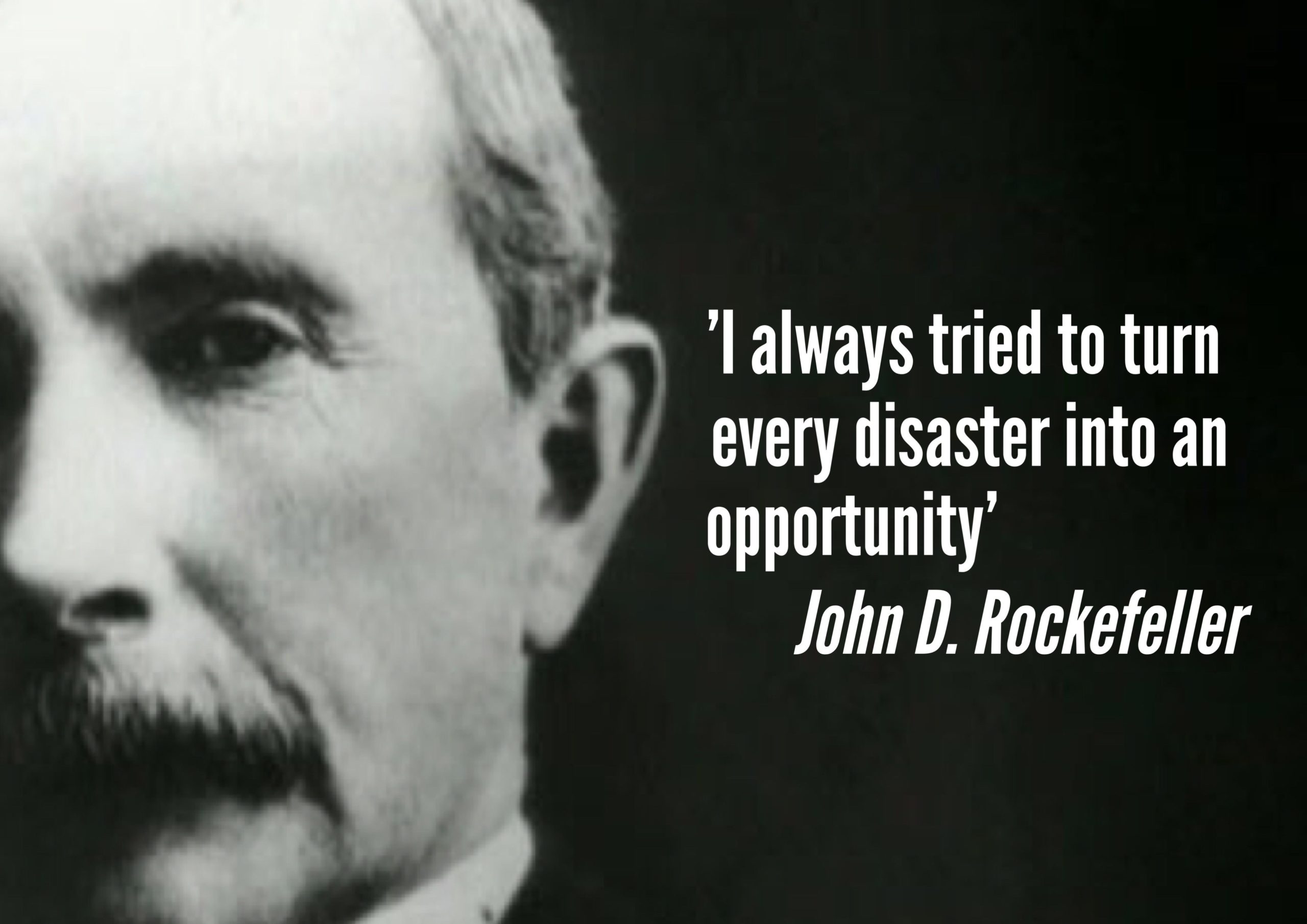
Fortunes of Contrast: The Vanderbilts, the Rockefellers, and the Legacy of Wealth
In the golden age of American industry, two family names stood as towering symbols of prosperity: Vanderbilt and Rockefeller. Both dynasties amassed extraordinary wealth—but only one sustained it through the generations.
The Rise of Titans
Cornelius Vanderbilt, known as “The Commodore,” began his fortune with steamboats and later railroads. He turned a $100 loan into what would be worth over $200 billion today. When he died in 1877, he left his fortune to his son, William Henry Vanderbilt, who doubled it in less than a decade. Yet, within 50 years, that fortune was largely gone.
John D. Rockefeller, on the other hand, built his wealth through Standard Oil, becoming the richest man in modern history. But unlike the Vanderbilts, the Rockefellers didn’t just aim to grow richer—they built a system. Trusts, foundations, and well-structured family governance protected their wealth for generations.
A Tale of Two Legacies
By the time Cornelius Vanderbilt died in 1877, he had amassed over $100 million (equivalent to over $200 billion today). But Cornelius didn’t believe in inheritance. He once said, “Any fool can make a fortune; it takes a man of brains to hold onto it.” Ironically, he passed nearly all his wealth to his son, William Henry Vanderbilt, who doubled it in just eight years.
Then came the flood.
William’s sons—Cornelius II, William Kissam, and others—ushered in the Gilded Age of Vanderbilt opulence. They built mansions like the Biltmore Estate, Marble House, and The Breakers, many modeled after European castles. The Vanderbilts hosted extravagant balls, employed hundreds of servants, and spared no expense in displaying their wealth.
But what they lacked was a vision for continuity. The family was never taught how to preserve wealth, only how to enjoy it. There were no trusts, no governance, no family office, and no unified purpose.
At a 1973 family reunion of 120 Vanderbilt descendants, not one was a millionaire. The fortune was scattered—diluted by spending, mismanagement, and lack of structure.
The Vanderbilt story is not just a tale of riches lost—it’s a warning about the perils of wealth without stewardship and proper planning.
Read: https://www.grunge.com/302542/how-the-vanderbilt-family-lost-their-entire-fortune/
In contrast, the Rockefeller family today holds a different story.
John D. Rockefeller, born in 1839 in upstate New York, was raised by a thrifty mother and a conman father. As a young man, he got a job as a bookkeeper, obsessively tracking every penny. In 1870, he co-founded Standard Oil, and through efficiency, innovation, he gained near-monopoly control over America’s oil industry.
By the early 20th century, Rockefeller was the richest man in the world, worth over $400 billion in today’s terms.
John D. has a deep belief in responsibility. He gave away over $500 million in his lifetime, founding the University of Chicago, Rockefeller University, and the Rockefeller Foundation.
Crucially, he didn’t just give. He planned.
He established family trusts, built governance structures, and instilled in his children and grandchildren a sense of duty. His son, John D. Rockefeller Jr., was even more philanthropic than his father—financing the restoration of Colonial Williamsburg and donating the land for the United Nations headquarters.
Every generation of Rockefellers has been educated in finance, governance, and public service. Many became politicians, philanthropists, and investors. The family established a family office (Rockefeller & Co.), held annual meetings, and maintained a unified mission: to preserve wealth for purpose, not indulgence.
What made the difference?
Lessons from the Vanderbilts: What Went Wrong
- Lack of Financial Education: The Vanderbilt heirs inherited wealth but not the wisdom to manage it.
- Conspicuous Consumption: Lavish spending on mansions, parties, and luxury replaced industriousness.
- No Wealth Stewardship Structures: Cornelius left no trust, family office, or succession planning—leaving heirs to their own devices.
- Short-Term Thinking: Each generation lived for their own glory, not for the preservation of the legacy.
Lessons from the Rockefellers: What Went Right
- Stewardship Over Ownership: John D. Rockefeller viewed wealth as a tool to be managed, not flaunted.
- Family Governance: The Rockefellers built family offices and held annual meetings, ensuring shared values and accountability.
- Emphasis on Philanthropy: Giving back instilled a sense of purpose and responsibility across generations.
- Education and Involvement: Rockefeller heirs were groomed to manage wealth, not just inherit it. Many became public servants, scholars, and investors.
The Takeaway: Building Wealth That Lasts
The story of these two families offers a striking parable: Wealth is not enough. Without vision, structure, and values, even the greatest fortune can vanish.
If you’re building a legacy:
- Don’t just accumulate—educate.
- Build systems, not just bank accounts.
- Instill purpose, not just privilege.
In the end, the Rockefellers built a legacy; the Vanderbilts built monuments. One lasted for 6 generations and still going strong today. The other crumbled.
If you’re serious about building generational wealth, it’s not just about how much you earn—it’s about how you plan, protect, and pass it on. The Rockefellers didn’t leave their future to chance. They created trusts, built a family office, held regular family meetings, and treated their wealth like a business. You don’t need a billion-dollar fortune to start—just a clear vision, proper financial planning, and the right advisors. Whether it’s setting up a trust fund, creating a legacy plan, or educating your heirs on money, now is the time to take control. Build your system before you build your wealth.
Important: The information and opinions in this article are for general information purposes only. They should not be relied on as professional financial advice. Readers should seek unbiased financial advice that is customised to their specific financial objectives, situations & needs. This advertisement or publication has not been reviewed by the Monetary Authority of Singapore.

Published By:
Chiang Wen Kai 詹渂凯
The Financial Architect, advising business owners, SMEs business owners.
While business owners dedicate themselves to the everyday demands of running their companies, I apply my financial expertise to ensure they are fully shielded from life’s uncertainties and financial storms.
About Me: Having worked in the SME/Corporate banking industry in my early years, I share the passion of what business owners shared of waking up everyday ready to grind and make their business dream come true. ever since, for more than 10 years now, I have been helping business owners and their family find predictability, stability and financial certainty in the uncertain landscape.
My Services: Offering expert business advisory services focused on protecting retirement assets and safeguarding business value, I help entrepreneurs, business owners, and family enterprises stay resilient amid uncertainties and succession events.
My comprehensive suite of solutions ensures business owners can secure their legacy, provide for their families, and maintain organizational stability through life’s critical transitions.
Advisory Services Overview
Protection of Retirement Assets: Design holistic plans to shelter personal and business retirement savings against creditor claims and market risks, leveraging compliant structures and diversified portfolios.
Protecting Business Value: Implement strategies such as asset segregation, trusts, and liability coverage to shield business assets and maintain value through turbulence or ownership change.
Family Cash Out & Continuity: Enable families to access fair value from business assets after an owner’s demise, and provide business buyout funding for smooth generational succession or exit planning.
Business Continuity for Shareholders: Structure buy-sell agreements, shareholder insurance, and continuity funding to ensure the ongoing operation of the business in the face of partner exits, deaths, or disabilities.
Debt Cancellation & Collateral: Advise on optimized use of insurance, structured loans, and collateral assignments to handle liabilities, support business growth, and mitigate loan risk.
Cash Flow Management: Develop tailored cash flow strategies for operational stability, including debt management, liquidity planning, and revenue smoothing for greater financial resilience.
Buy/Sell Agreements: Facilitate buy-in, buy-out, and share-exchange arrangements between shareholders, simplifying ownership transitions and reducing conflict during changes.
Golden Handcuffs/Handshake: Advise on bespoke compensation plans, such as deferred bonuses or retirement gratuities, that help attract, retain, and reward key employees or family members in the business.
Key Person Protection: Secure profits and operational stability through keyman insurance or contingency arrangements to offset the financial impact of losing crucial team members.
Family Business Expansion Funding: Structure funding and succession vehicles to support family business growth, help families tap into new markets, or recapitalize when leadership changes.
Distinctive Approach
Personalized Strategies: All solutions are customized to the client’s unique business, family, and personal financial profile, with a focus on both wealth preservation and business growth.
Succession-Ready Planning: Use proven frameworks and tools for succession planning, including role mapping, successor assessment, and implementation timelines to future-proof your business.
Holistic Protection: Integrate asset protection, business value, tax strategies, and employee incentives into a single, coherent advisory offering.
Trusted Guidance: Extensive experience helping owners address both business and personal financial risks, ensuring smooth transitions and peace of mind for all stakeholders.

CONTACT US
- 150 Beach Road #12-01/08, Gateway West Singapore 189720
- +65 62221889
- +65 62221019
- feedback@fa.com.sg