
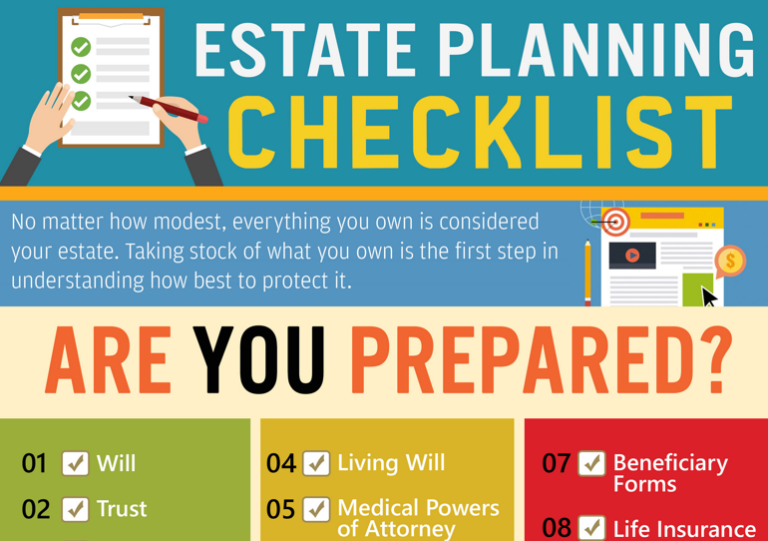
Estate Planning Audit
The Costly Estate Planning Mistake I See Often
Most estate plans have critical gaps that could devastate families financially.
Why Your Estate Plan Might Be Failing You
Most people think estate planning is just about writing a will. That’s like thinking wealth management is just picking stocks.
Estate planning protects your wealth during three critical moments:
* While you’re alive and building wealth
* If you become incapacitated
* When you pass away
What I Look for in Every Estate Audit
1. The Tax Time Bomb
Tax laws change constantly. An estate plan from five years ago might now trigger massive tax bills your family never saw coming.
Example: “2025 Singapore High Court case SGHC 119 highlighted how estate plans made years ago can cause unexpected tax bills due to changes in stamp duty laws.” Source: https://www.elitigation.sg/gd/s/2025_SGHC_119
2. Asset Protection Gaps
I’ve read business owners lose everything to lawsuits because their personal assets weren’t properly shielded. Your wealth needs protection from creditors, divorce, and business liabilities.
Example: “O.K. Lim’s grandaughter fails to keep 3 insurance policies from creditors’ reach – Straits Times, 3 Jul 2025.”
3. Family and Liquidity Risks
Poor estate planning creates two devastating problems: family wars and cash crises.
Vague beneficiary designations and poorly structured trusts trigger family disputes that drag on for years.
Meanwhile, your family might inherit valuable assets but lack cash to pay taxes or maintain properties — forcing fire sales that destroy wealth.
Examples:
* “The 2024 Singapore High Court case Sir Cornelius Sean Sullivan v Hill Capital Pte Ltd involved disputes over two discretionary trusts and their administration.”
* “In La Dolce Vita Fine Dining v Zhang Lan SGHC 278, despite having a family trust, Ms Zhang’s creditors still seized her assets because the trust structure had fatal flaws. Cash flow issues from frozen accounts risked forced sales of valuable assets.”
How Estate Planning Protects Your Family
When done right, estate planning:
- Minimizes taxes and preserves more wealth for your beneficiaries
- Protects assets from creditors and legal challenges
- Ensures smooth wealth transfer without family disputes
- Provides liquidity when your family needs it most
The Role of a Certified Estate Planner (CEP)
Your financial planner helps you build wealth during your lifetime. I help ensure that wealth reaches your family intact.
This means:
- Structuring ownership to minimize taxes
- Creating trusts that protect assets from threats
- Writing wills with testamentary trusts for complex situations
- Planning liquidity for estate settlement costs
- Coordinating with your other advisors for seamless execution
Why Regular Audits Matter
Life changes. Laws change. Your estate plan must evolve with both.
I recommend auditing your estate plan every 3-5 years or after major life events like business sales, property acquisitions, or family changes.
Ready to Audit Your Estate Plan?
If you haven’t reviewed your estate planning in the last three years, you’re likely sitting on hidden risks that could cost your family significantly.
📧 DM me for a complimentary estate planning review.
Let’s make sure your wealth reaches your family as you intended.
Disclaimer: The content above, including all information, opinions, and interactive elements, was created by the individual financial consultant. The views expressed are the consultant’s own and do not necessarily reflect the official policy or position of Financial Alliance. Financial Alliance does not guarantee the accuracy or completeness of this content and is not responsible for any errors or omissions. If you believe any information is inaccurate or have other feedback regarding this content, please contact us at feedback@fa.com.sg.
Readers should seek independent, unbiased financial advice that is customised to their specific financial objectives, situation, and needs. This publication has not been reviewed by the Monetary Authority of Singapore.

CONTACT US
- 150 Beach Road #12-01/08, Gateway West Singapore 189720
- +65 62221889
- +65 62221019
- feedback@fa.com.sg