
Estate Planning Singapore
Discover the importance of estate and legacy planning in Singapore, the pitfalls of DIY will templates, and how to effectively safeguard your family’s future with professional advice.
Introduction to Estate and Legacy Planning in Singapore
Estate and legacy planning is a crucial aspect of financial management that ensures your assets are distributed according to your wishes after your death. In Singapore, the importance of having a well-structured estate plan is underscored by the need to avoid legal complications and family disputes.
This article explores the essential components of estate planning, the risks associated with DIY will templates, and why professional guidance is a better approach.
Understanding the Importance of Estate Planning
Estate planning involves managing your assets during your lifetime and ensuring their efficient distribution upon your death. The primary goals of estate planning are to ensure assets are distributed according to your wishes, provide for dependents, and minimize taxes and legal fees. Without a comprehensive estate plan, your assets may be distributed according to Singapore’s default laws called the Intestate Succession Act, rather than your personal preferences.
Components of a Comprehensive Estate Plan
A well-rounded estate plan includes:
- Will: Specifies how your assets will be distributed.
- Trusts: Legal entities that hold assets for beneficiaries, often used to reduce estate taxes.
- Life Insurance: Provides financial support to beneficiaries, and create instant wealth and cashflow upon the trigger event.
- Power of Attorney: Appoints someone to manage your affairs if incapacitated.
- Advance Medical Directive: Indicates your preferences for medical treatment if you cannot communicate your wishes.
The Legal Framework of Estate Planning in Singapore
Singapore’s legal system provides a structured framework for estate planning through key legislation such as the Wills Act, Intestate Succession Act, Trust Companies Act, and Probate and Administration Act. Understanding these laws is essential for effective estate planning.
The Role of a Will in Estate Planning
A will allows you to specify how your assets should be distributed and who should care for your minor children. It also appoints an executor to manage the administration of your estate, ensuring that your wishes are carried out efficiently.
Consequences of Not Writing a Will in Singapore
Failing to write a will can lead to several complications, including:
- Intestate Succession Act: If you die without a will, your estate is distributed according to this act, which may not reflect your personal wishes.
- Family Disputes: Without a clear directive, family members may have differing opinions on asset division.
- Delayed Asset Distribution: The absence of a will can lead to delays, as the court must appoint an administrator.
- Increased Legal Costs: Without a will, the estate settlement process can become more complicated and costly.
DIY Will Templates: A Popular but Risky Option
DIY will templates are a popular choice for many but come with significant risks:
- Lack of Customization: They often lack the flexibility to address complex family dynamics.
- Legal Validity Issues: DIY templates may not comply with legal requirements, leading to potential challenges in court.
- Common Mistakes: Errors such as incorrect beneficiary designations and unclear instructions can invalidate the will.
- Impact of Misinterpretation: Ambiguities in the language can lead to differing interpretations and disputes.
Problems with a Human Executor
Appointing a human executor, typically a family member or close friend, to manage your estate after your death can have its drawbacks:
Conflict of Interest
An executor who is also a beneficiary may face conflicts of interest. Their personal interests could influence their decisions, potentially leading to unfair treatment of other beneficiaries and disputes.
Lack of Expertise
Handling an estate, especially a complex one, requires legal and financial knowledge. A human executor may lack the necessary expertise to manage these responsibilities effectively, resulting in errors or delays.
Emotional Burden
The role of an executor can be emotionally taxing, especially for a grieving family member or friend. Balancing personal emotions with administrative duties can be challenging and may impact the executor’s ability to perform their role effectively.
Potential for Mismanagement
An executor may inadvertently mismanage the estate due to inexperience, oversight, or a lack of understanding of legal obligations. This can lead to financial losses or legal complications.
Given these potential issues, appointing a professional executor, such as a trust company, can provide impartiality and expertise, ensuring your estate is handled efficiently and according to your wishes.
Professional Will Writing and Estate Planning Services: A Safer Alternative
Engaging professional will writing services is a safer and more reliable option to ensure your will accurately reflects your wishes. Professional estate planners provide expertise and knowledge to draft wills that meet your specific needs, address complex family situations, and ensure compliance with Singapore’s legal requirements.
Role of Trusts in Estate Planning
Trusts offer several advantages that can enhance your estate plan:
- Confidentiality: Trusts help keep the details of your estate private, protecting beneficiaries from public scrutiny and keeping sensitive information out of the public record.
- Reduced Family Disputes: Trusts provide clear instructions for asset distribution and management, which can help prevent conflicts among heirs and ensure that your wishes are followed precisely.
- Asset Protection: Trusts can shield assets from creditors and lawsuits, ensuring they remain secure for beneficiaries and are protected from potential claims.
- Regular Distribution: Trusts allow for the distribution of assets over time rather than as a lump sum, helping beneficiaries manage their inheritance responsibly and reducing the risk of financial mismanagement.
Incorporating Life Insurance in Estate Plans
Life insurance is an essential component of many estate plans, providing a financial safety net for beneficiaries. It can cover estate taxes and other expenses, ensuring that your assets are preserved for your beneficiaries. It is also a great tool for asset creation, and is commonly used for legacy planning and to create generational wealth.
Tax Considerations in Estate Planning
Understanding the tax implications of your estate plan is crucial for maximizing the value of your assets. In Singapore, there is no estate or inheritance tax, but certain other taxes may apply, such as income tax and stamp duty. Working with a professional estate planner can help identify tax-saving opportunities.
Estate Planning for Business Owners
Business owners face unique challenges in estate planning, such as succession planning, business valuation, and buy-sell agreements. Addressing these factors can protect the business’s legacy and ensure its continued success for future generations.
Guardianship Planning for Minors
If you have minor children, appointing a guardian in your will is crucial to ensure their care and upbringing align with your wishes. Consider factors such as values, relationship with your children, and financial stability when choosing a guardian.
Charitable Bequests and Philanthropy
Incorporating philanthropy into your estate plan can provide significant tax benefits while supporting causes you care about. Consider options such as direct gifts, endowments, or charitable trusts to create a meaningful legacy.
Digital Assets and Legacy Planning
Digital assets, such as online accounts and digital currencies, are an increasingly important aspect of estate planning. Consider inventorying your digital assets, appointing a digital executor, and including specific instructions for managing your digital legacy.
Cultural and Religious Considerations in Estate Planning
Cultural and religious considerations can play a significant role in estate planning, influencing decisions regarding asset distribution and charitable giving. Acknowledging and respecting these factors can create an estate plan that reflects your values and priorities.
Regularly Reviewing and Updating Your Estate Plan
An effective estate plan is an ongoing process that requires regular review and updates. Life events such as marriage, divorce, or childbirth may necessitate changes to your plan, ensuring it remains relevant and aligned with your current circumstances and wishes.
Steps to Take When Starting Your Estate Planning
Starting your estate planning journey can be daunting, but these steps can help:
- Assess Your Assets: Inventory your assets, including property, investments, and digital assets.
- Define Your Goals: Clarify your goals and priorities, such as providing for dependents or supporting charitable causes.
- Consult Professionals: Engage professionals, such as estate planners and tax advisors.
- Draft Key Documents: Create essential documents, including a will, trusts, and power of attorney.
- Communicate Your Plan: Discuss your plan with family members and beneficiaries.
Frequently Asked Questions
What happens if I die without a will in Singapore?
If you die without a will, your estate will be distributed according to the Intestate Succession Act, which may not reflect your personal wishes.
Are DIY will templates legally valid in Singapore?
While DIY will templates can be legally valid if they meet specific requirements, they often lack customization and may not comply with all legal standards.
Why should I use a professional estate planner?
A professional estate planner provides expertise, customized advice, and ensures compliance with legal requirements.
What is the role of a trust in estate planning?
Trusts offer asset protection, tax benefits, and greater control over asset distribution.
How can I ensure my digital assets are included in my estate plan?
Create an inventory of your digital assets, appoint a digital executor, and include specific instructions for managing and preserving your digital legacy.
What should I consider when appointing a guardian for my minor children?
Consider factors such as values, relationship with your children, and financial stability when choosing a guardian.
Conclusion
Estate and legacy planning is a vital aspect of financial management that ensures your assets are distributed according to your wishes. In Singapore, the risks associated with DIY will templates highlight the importance of seeking professional guidance to create a comprehensive and legally compliant estate plan. By understanding the components of estate planning and addressing unique family circumstances, you can create a robust estate plan that protects your legacy and provides peace of mind.
Click HERE to engage me.
Important: The information and opinions in this article are for general information purposes only. They should not be relied on as professional financial advice. Readers should seek unbiased financial advice that is customised to their specific financial objectives, situations & needs. This advertisement or publication has not been reviewed by the Monetary Authority of Singapore.
Published By:
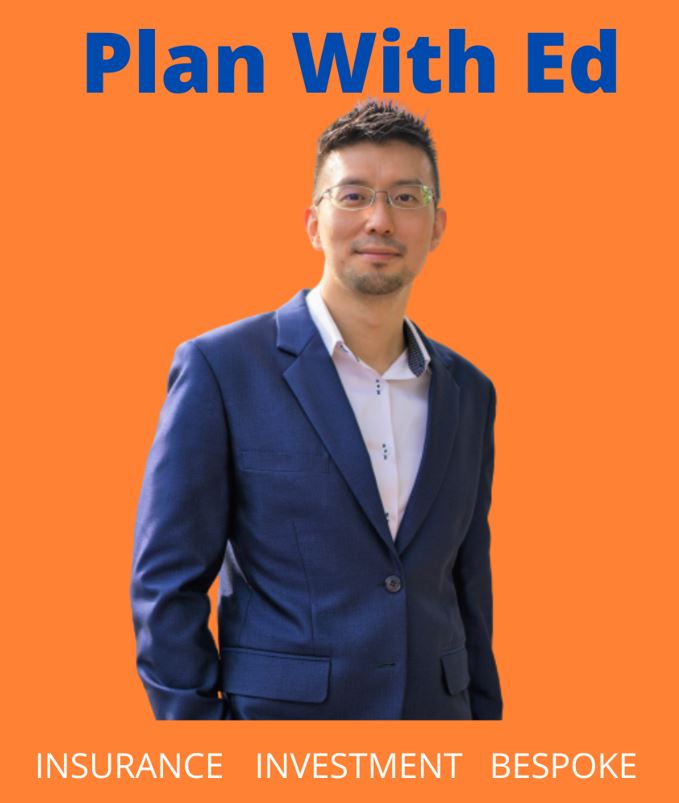
Edmond Goh
With 19 years of experience in financial advisory and at just 42 years old, I bring a rare combination of industry expertise and long-term commitment. Many clients seek advisors who are not only experienced, but also available to guide them for decades to come. This is my unique advantage, offering both seasoned financial insights and long-term continuity in servicing your financial needs well into the future.
My Approach: Independent, Creative, & Future-Proof. I am constantly on the lookout for financial solutions that stand out in the crowded product space, that offer the best value for money and strategies that are customised, innovative, and effective. Whether it is estate planning, investment structuring, or retirement strategies, I don’t just offer conventional solutions. I find new ways to optimize your wealth.
Why Work With Me? – Future-Proof Advisory: I will be around for the long haul, ensuring consistency and trust in your financial journey. – Innovative & Cost-Effective Solutions: I don’t settle for average, I seek out the best financial products that deliver true value. – Comprehensive Expertise: From estate planning to wealth management, I provide a holistic approach tailored to your needs. Your financial future deserves a trusted, forward-thinking advisor. Let’s Build Your Financial Legacy and create a plan that works for you today and tomorrow.
To know more about me, please click HERE
My professional qualifications include: Associate Financial Planner (AFPCM) Certified Islamic Wealth Advisor (IWA) Associate Specialist in Estate Planning (ASEP®)
CONTACT US
- 150 Beach Road #12-01/08, Gateway West Singapore 189720
- +65 62221889
- +65 62221019
- feedback@fa.com.sg