
US Tariffs on the Horizon? What This Could Mean For Us in Singapore?
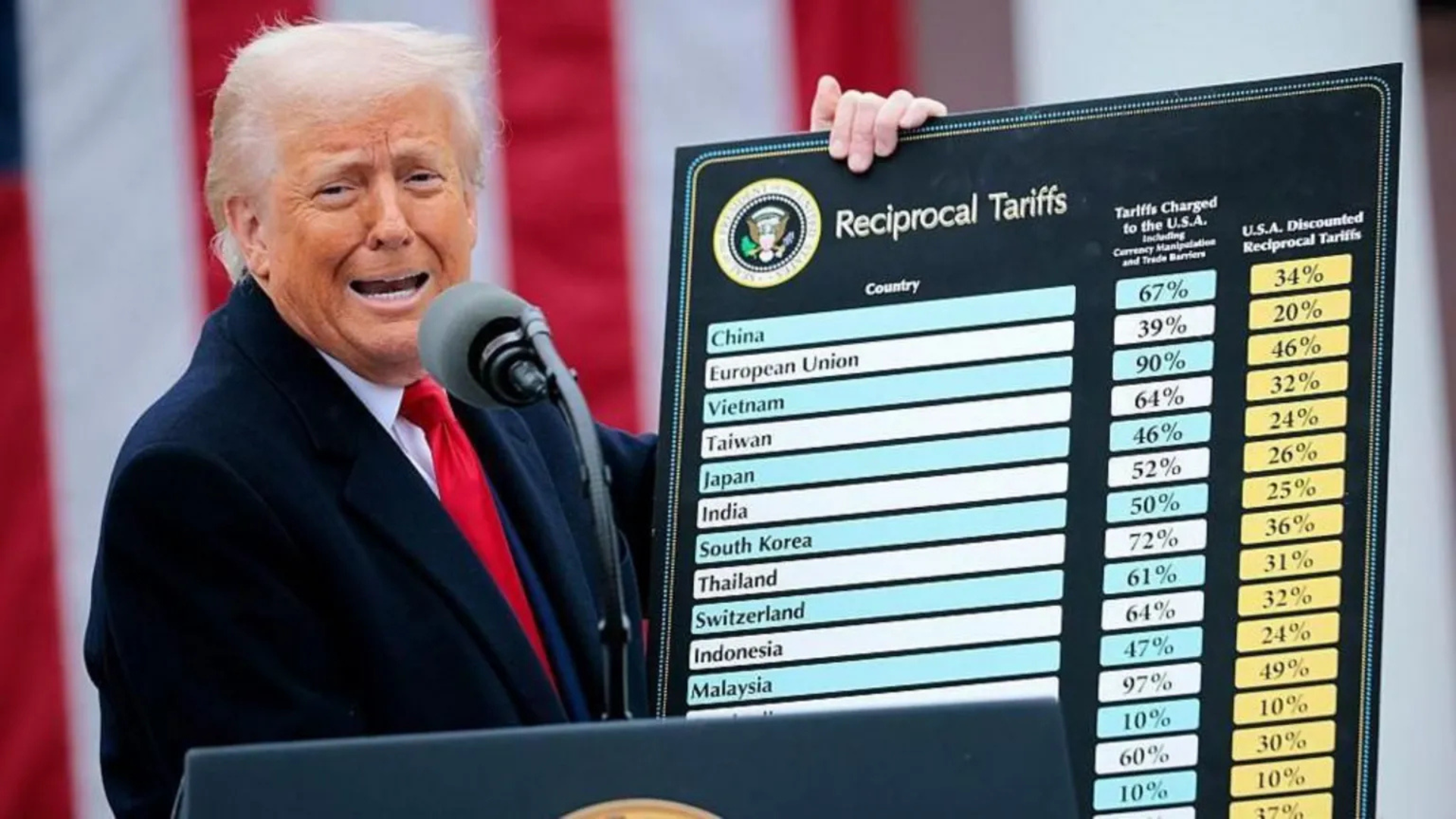
Lately, there’s been renewed talk about the possibility of new tariffs being introduced by the United States. You might have heard phrases like “Trump tariffs” or general “US trade protectionism” in the news. As a nation deeply connected to global trade, it’s natural to wonder: how could these faraway decisions ripple out and touch our lives here in Singapore?
Let’s break down what this could mean, keeping things straightforward and focusing on what truly matters for your financial well-being and business stability.
First, What Exactly Are Tariffs?
Imagine tariffs as a kind of tax that a country (in this case, the US) decides to put on goods imported from other countries. The idea is often to make imported goods more expensive, encouraging local consumers and businesses to buy domestically produced items instead.
While the aim might be to protect local industries in that country, these actions don’t happen in a vacuum. They can set off a chain reaction that affects economies globally, including ours in Singapore.
Potential Ripple Effects for Singaporeans:
Singapore is an open economy that thrives on international trade. So, when a major global player like the US adjusts its trade policies, we’re likely to feel the effects. Here’s how:
1. The Price of Goods We Buy
What could happen: If tariffs are placed on goods that Singapore imports directly from the US, or on components that go into products we eventually buy, businesses might have to pay more. These increased costs can sometimes be passed on to us, the consumers. This means everyday items or specific goods could become more expensive.
Think about: Your electronics, certain foods, or even cars. Many products have complex supply chains, and tariffs can inflate costs at various points.
2. Impact on Our Local Businesses, Especially SMEs
What could happen: Many Singaporean businesses, particularly our Small and Medium Enterprises (SMEs), are part of global supply chains. They might export goods to the US or supply parts to companies that do. New tariffs could make their products more expensive for US buyers, potentially reducing demand. This can affect their revenue, growth plans, and even job stability.
The challenge for SMEs: They might need to find new markets, absorb costs (which is tough for smaller players), or navigate more complex trade regulations. For SME owners, this also means a potential impact on their personal financial situation if business performance is hit.
3. Jitters in the Investment Markets:
What could happen: Trade tensions and tariff talks often create uncertainty in global financial markets. Investors dislike uncertainty, and this can lead to market volatility. You might see fluctuations in your investment portfolio, whether it’s in stocks or unit trusts.
The bigger picture: Broader trade conflicts can slow down global economic growth, which indirectly affects investment performance and confidence.
Navigating the Waves: A Financial Planning Perspective
While we can’t control global trade policies, we can control how we prepare and respond. Adopting a clear and organized approach to our finances is key.
For Individuals and Families
-
- Review Your Budget: If the cost of living creeps up, having a clear understanding of your income and expenses helps you adjust. This is a good time to ensure your financial roadmap is robust.
- Revisit Your Financial Goals: Are you saving for a home, your children’s education, or retirement? Market volatility might feel unsettling, but a long-term plan helps you stay the course.
- The Power of Diversification: For your investments, having a diversified portfolio (spreading your money across different types of assets and regions) can help manage risks during uncertain times. It’s about not putting all your eggs in one basket.
For SMEs
-
- Stress-Test Your Business: How resilient is your supply chain? Are there alternative suppliers or markets you could explore? This is about proactive risk management.
-
- Review Your Financial Health: Understand your cash flow and ensure you have adequate working capital. Explore options for managing potential increases in operational costs.
-
- Protect Your Assets: Ensure your business has the right commercial insurance coverage to safeguard against various risks. This also extends to how your business health might impact your personal financial security.
Staying Informed and Proactive
News about tariffs and trade policies can feel complex, but the core message is to stay informed and focus on what you can influence. It’s about understanding the potential landscape and taking measured steps to protect your financial future and the well-being of your family or business.
Remember, financial planning is about preparing for different scenarios, good or challenging. By understanding how global events can touch our local lives, we can make more informed decisions.
If you have any questions about how these potential changes might affect your personal financial plans, your family’s protection, or your business’s risk management strategy, please feel free to drop me a message. I’m here to help you find clarity and build a secure path forward.
Important: The information and opinions in this article are for general information purposes only. They should not be relied on as professional financial advice. Readers should seek unbiased financial advice that is customised to their specific financial objectives, situations & needs. This advertisement or publication has not been reviewed by the Monetary Authority of Singapore.

Published By:
Lau Jia Ye
As a Financial Advisor Representative representing Financial Alliance, I aim to provide clear, personalised guidance to help individuals and families navigate their financial journey from a neutral standpoint.
My career began in a tied agency, where I quickly realized the limitations of offering a narrow range of solutions. This led me to transition to Financial Alliance, whether it’s planning for retirement, growing wealth, or preparing for life’s significant milestones, I have the flexibility to provide unbiased advice that prioritize your best interests and unique long-term goals.
Clients value my approachable nature and transparent communication. I work towards simplifying complex financial matters, so you can feel confident in your decisions and empowered to take charge of your future!
CONTACT US
- 150 Beach Road #12-01/08, Gateway West Singapore 189720
- +65 62221889
- +65 62221019
- feedback@fa.com.sg