
7 Secrets To Becoming Rich

Many people have unlimited desires but limited financial resources to fulfill them. If you think you are one of them, then you should read “The Richest Man in Babylon” by George Samuel Clason. This book is unlike any other book on personal finance. It dispenses financial advice in a simple yet powerful way through a collection of parables set in ancient Babylon. But here’s the caveat: never fall in love with money. Money itself is not evil but the love of money is, causing division between brothers, relatives, friends and associates. Instead, enslave money, grow it, and use it as a tool for good to help your family and others.
Here are the 7 time-tested secrets of becoming rich shared within the book:
1. “Start thy purse to fattening”: In simpler words, always save a portion of your income. If you can cultivate the habit of saving at least 10% of your income (the more the merrier), you will be on your way to amassing a small fortune in just a few years. Learning to save takes some effort, but there are ways to make the process simple. For example, you can arrange with your bank to automatically channel 10% of your income into a separate saving account.
2. “Control thy expenditure”: Quite often in life, what you want and what you need are two different things. The inability or refusal to differentiate between wants and needs is what prevents most people from becoming rich. We must learn to differentiate between our wants and needs. To save money, you must prioritize your needs. Buy only what you need first. Save the rest. Consider your wants only if you have surpluses after setting aside savings.
3. “Make thy gold multiply”: In other words, make your money grow. In order to become rich, you must learn to invest your money. The money in your saving account doesn’t grow. On the contrary, it shrinks because the inflation rate is almost always higher than the bank interest rates. Investing money in the right insurance endowment plans, stocks, ETFs and real estate over the long term makes your money grow.
4. “Guard thy treasures from loss”: Protect your capital from losses. Warren Buffett has said it similarly too. One of the best ways to protect your capital is to diversify into different investment and asset types so that if one fails, another will be there to cushion the impact or even give you a profit in aggregate. At the same time, beware of falling prey into investments that promise overly high returns. Scrutinize the investment structure and arrangement on how profit is being made from such investment; stay away if it is dubious. There is no free lunch in investments.
5. “Own thy home”: Buy a house instead of renting one. For all the money you have paid in monthly rental over the years, you get nothing in the end. If you buy a house instead, you would have to pay monthly housing loan installment, but the house will belong to you when you finish paying off the loan. Over time, the value of the house will appreciate and make you richer.
6. “Insure your future income”: Life is uncertain and things beyond your control can wipe out your entire assets no matter how careful you are. One way to safeguard from such a possibility is to transfer the risk to insurance companies. By buying insurance plans like comprehensive medical insurance and a whole life insurance plan, you can ensure the financial well-being of your family and yourself when the unforeseen happens. There are many ways to know if you are under- or over-insured. One of a free online tool you can try out is found at www.myfinancialkit.com/mapmyfuture.
7. “Increase thy ability to earn”: The more you earn, the more you can save and the more money you will have for investments. So, increase your ability to earn by expanding your knowledge, honing up your skills, go for courses, networking with other people and placing yourself in a better position to increase your earning potential.

Important: The information and opinions in this article are for general information purposes only. They should not be relied on as professional financial advice. Readers should seek unbiased financial advice that is customised to their specific financial objectives, situations & needs. This advertisement or publication has not been reviewed by the Monetary Authority of Singapore.
Published By:

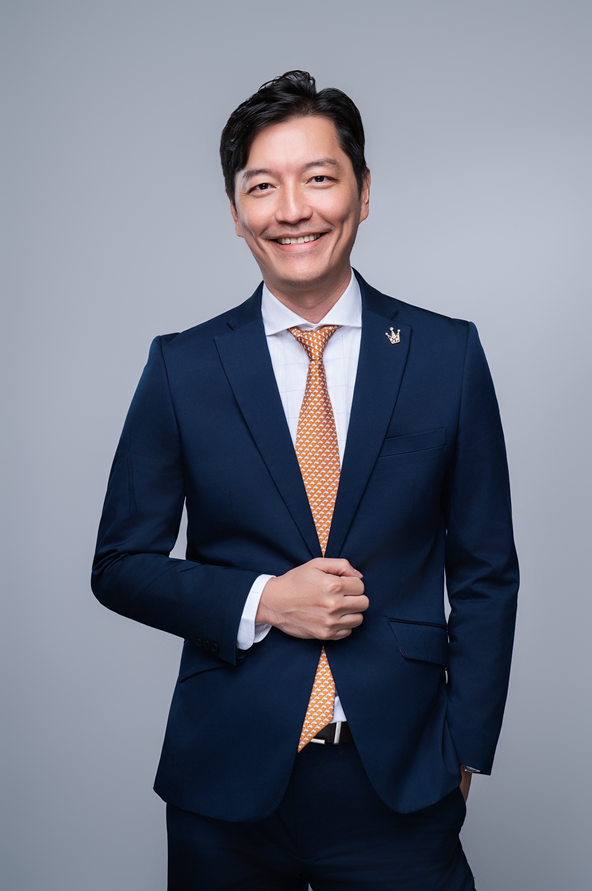
Sean Ong

As a Chartered Financial Consultant, Certified Life Coach, NLP Practitioner, and former CEO of a financial advisory firm, Sean Ong brings more than 20 years of leadership and financial services experience. His career has spanned banking, insurance, financial advisory, executive leadership, and entrepreneurship—giving him the rare privilege of viewing the wealth management industry from every major perspective. This unique 360-degree experience in the wealth management industry makes him an exceptional professional who is able to provide practical, unbiased, and holistic financial guidance and coaching that goes beyond products and portfolios.

Sean is an advocate for InsuranceGuru.com.sg, a platform designed and dedicated to empowering consumers to customize, compare, and purchase insurance solutions that genuinely meet their needs—without paying for unnecessary bundled coverage. He also shares practical insights on personal finance through articles published on this InsurTech web portal.

Beyond financial planning, Sean integrates life coaching, leadership development, and biblical wisdom to help individuals cultivate financial confidence, purposeful leadership, and lasting personal breakthroughs.

Sean holds a Master’s Degree in Technopreneurship & Innovation from Nanyang Technological University (NTU), where he was inducted into the Director’s/Dean’s List. Committed to making a positive impact beyond his profession, he completed a 1,000 km charity run over 87 days to raise funds for a children’s charity and later authored a book, donating all proceeds to charitable causes.

Outside of his professional work, Sean enjoys reading, long-distance running, singing, and meaningful conversations over coffee. He is passionate about collaborating with innovators in AI, machine learning, blockchain, fintech, Insurtech, and ESG technologies, while also advocating for mental wellness, particularly among youths.
CONTACT US