

Creating Passive Income for the Next Generation with Tax Benefits
Mr. A is a businessman who makes SGD1 million per year. After selling one of his companies, he has SGD20 million in his bank account and a residential property. He recently has a new born baby and he is thinking of buying a new property. He consulted a financial advisor on the pros and cons of buying another investment house and setting up a trust to buy property for his baby.
Mr. A is currently paying the maximum income tax rate in Singapore. If he buys a property under his own name and rents it out, the rental income will be taxed at 22% as well.
The setup of a fixed or discretionary trust
This article assumes the parent sets up a fixed trust for the benefit of the child, hence the property income is taxed at the child’s income tax rate. If the trust structure is a discretionary one, then the rental income will be taxed at the trustee level, which is 17% currently.
If he set up a trust for his baby and buys the property in trust, then he will not need to pay for the Additional Buyer’s Stamp Duty(ABSD) and rentals earned from the property will be taxed based on the baby’s income tax rate.
Practically, the trustee pays the tax on behalf of the baby and based on the baby’s personal income tax rate. If the rental is $10,000 a month, the baby’s annual income would be$120,000. Netting off the expenses, the taxon the rentals would be much lower as compared to if it were under Mr. A’s name.
In addition, this arrangement helps in asset protection because if Mr. A’s business fails in the future, his creditors will not be able to come after the property which belong to the baby. Hence, from tax planning angle and asset protection angle, it would be more beneficial if Mr. A buys the property in trust.
The asset ownership angle
However, he needs to be mindful that with such an arrangement, the property will no longer belong to him and his baby is the beneficial owner of the property. When he acts as the trustee and rents out the property, the rental income belongs to the baby. When he sells the property later on, the proceeds also belong to the baby and not him. From the asset ownership angle, he needs to decide if it is more secure to own the property under his own name. Would it be worthwhile to save on tax and lose the whole property to the child?
Section 33A of the Stamp Duties Act
Which also brings up a key issue. If the objective is essentially to save on the ABSD, which can be a hefty amount, this situation is akin to avoiding taxes, under the scaffold of a trust in the child’s name. This may come under the investigative scope and radars of the tax authority and if there is reason to believe this was the intent from the outset, Section 33A of the Stamp Duties Act empowers the authority to disregard certain transactions and dispositions to charge the relevant stamp duties to the parties involved.
Therefore, if the real objective is for investment purpose, intended to benefit Mr. A and not the child, it is essential for him to avoid what may seem to be an effective tax strategy, in view of the potentially detrimental effects faced further down the road.
A trust that holds a fund/s
That said, where the purpose is to benefit the child, a way forward then, is to create a trust that holds a fund, with a view to buy a property for the child at some point of time. In this instance, it will enable parents to put to motion the first steps towards addressing the provision of some financial security. It would also give them the flexibility to determine, besides the time, the circumstance of a purchase or whether this is the best course of action, as their children grow into their early adult years.
It can never be sufficiently expressed that parents find great joy, purpose and fulfilment of providing the very best for their children. It is imperative, therefore, that a thoughtful and deliberative approach is taken in relation to the provision of real estate, so that the eventual outcome of that decision, would help fulfil the aspirational goals of parents as well as sustainably be in the benefit and best interest of their children.
Important: The information and opinions in this article are for general information purposes only. They should not be relied on as professional financial advice. Readers should seek unbiased financial advice that is customised to their specific financial objectives, situations & needs. This advertisement or publication has not been reviewed by the Monetary Authority of Singapore.
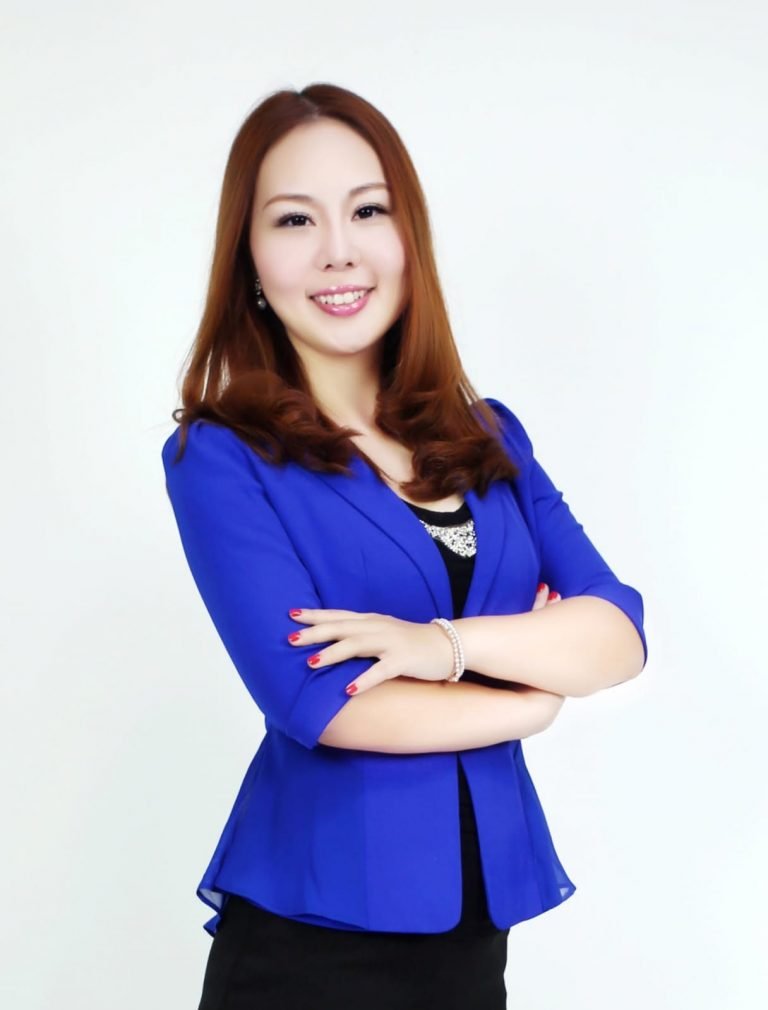
Published By:
Sissi Goh Yan Xi
Sissi is a renowned legacy planner based in Singapore, specializing in intergenerational wealth planning and bespoke family office services. Her career spans both New York and Singapore. With extensive experience in hedge fund consulting and private wealth management, she provides professional advice to high-net-worth families.
She graduated from Columbia University in the United States with a Master’s degree in Public Administration, specializing in international finance and economic policy. Her focus is on wealth and family succession planning, and she holds multiple international professional certifications. These include: Chartered Financial Consultant (ChFC), Chartered Life Underwriter (CLU), Trust and Estate Practitioner (TEP), Certified Legacy Planning Advisor (CLPA), Certified High-Net-Worth Client Advisor, Certified Family Office Advisor, and more.
She is an official member of the Society of Trust and Estate Practitioners (STEP), the most reputable global organization in its field; and she is the youngest founding member of the Asia Estate Planning Association (AEPA).
As an award-winning author and TEDx speaker, she wrote the acclaimed book Wealth Management Isn’t Just for the Rich. Her TEDx talk, titled How Not to Lose the Billion Dollars You Didn’t Know You Had, was described by the TED Global Committee as “timely and valuable” and has received 570,000 views. She later published a book with the same title, which received a prestigious award in wealth succession planning. Her financial articles have been selected as training material for financial advisors in Singapore and have been featured on CNA and Money FM, Singapore’s most reputable financial radio stations.
CONTACT US
- 150 Beach Road #12-01/08, Gateway West Singapore 189720
- +65 62221889
- +65 62221019
- feedback@fa.com.sg